
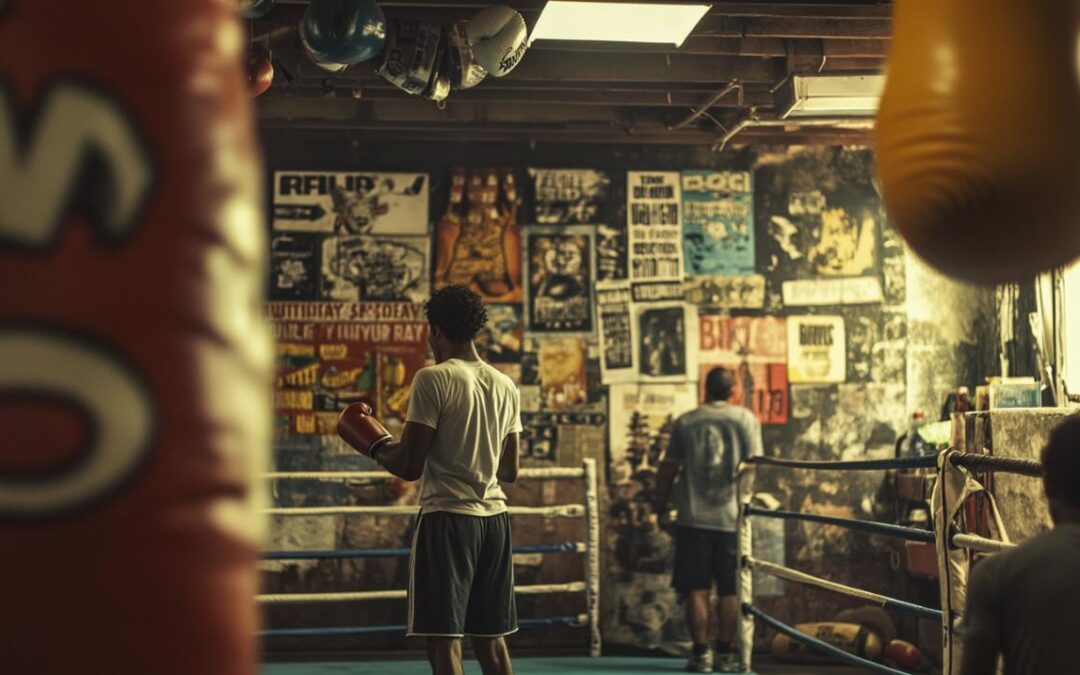
Stepping into the world of boxing for the first time is both exhilarating and slightly daunting. This ancient yet dynamic combat sport demands a combination of physical prowess, mental discipline, and the correct equipment to ensure safety and success. Whether you are drawn by the allure of cardiovascular fitness, the promise of building strength, or the challenge of mastering a new skill, understanding the foundations is essential for a rewarding journey. This comprehensive guide will walk you through everything you need to know about safety equipment, fundamental techniques, and the training methods necessary to begin your boxing adventure with confidence and clarity.
Essential Safety Equipment and Protective Gear for Beginner Boxers
When embarking on your boxing journey, the first consideration must always be safety. The sport involves rigorous physical contact, whether with training equipment or sparring partners, and proper protective gear is non-negotiable. The most fundamental piece of equipment is a well-fitted pair of boxing gloves, which not only protect your hands but also reduce the risk of injury to your training partners. Gloves are available in various weights, typically ranging from ten to fourteen ounces for bag work, whilst sixteen ounce gloves are recommended for sparring sessions. The choice of gloves should prioritise comfort, closure style, and the level of padding, ensuring they offer adequate shock absorption and wrist stabilisation during prolonged training sessions.
Choosing the Right Boxing Gloves and Hand Wraps for Optimal Protection
Selecting the right boxing gloves is a crucial step that can significantly influence your training experience. High-quality gloves, such as those offered by Topgear Sports and BYKO Sports, feature advanced materials and ergonomic designs that cater to both beginners and experienced practitioners. For instance, the FUSION-X Edition gloves are hand-built with an eighteen-gauge comfort fit mould and a sleek silver and matte black finish, providing durability and style. Similarly, the BEAST Edition gloves incorporate injection mould padding and an ultra ergonomic pre-curved fit, whilst the CARBON Edition uses carbon-textured synthetic leather combined with GEL-TECH padding for superior shock absorption. These features ensure that your hands remain protected during intense training sessions, allowing you to focus on perfecting your technique without distraction.
Equally important are hand wraps, which serve as the foundation for glove protection. Hand wraps stabilise the wrist, support the knuckles, and ensure a snug fit for your gloves, reducing the likelihood of sprains and fractures. The Thai Fighter Hand Wraps are a popular choice among beginners, offering reliable support and ease of use. When wrapping your hands, ensure the material covers the knuckles, secures the wrist, and maintains a comfortable yet firm tension. This simple yet vital step can make a significant difference in your overall safety and comfort during training.
Mouthguards, headgear and additional safety kit every novice should own
Beyond gloves and hand wraps, several other pieces of protective equipment are essential for any novice boxer. A mouthguard is indispensable, as it protects your teeth, gums, and jaw from impact during sparring or intensive bag work. Investing in a high-quality mouthguard that offers a secure fit and adequate cushioning is a wise decision that can prevent serious dental injuries. Headgear is another critical component, particularly for those engaging in sparring sessions. Headgear reduces the risk of cuts, bruises, and more severe head injuries by absorbing the force of punches. It should fit snugly without obstructing your vision or movement, allowing you to maintain focus and agility in the ring.
Additional safety equipment includes groin protectors, shin guards, and elbow pads, which offer comprehensive protection across different areas of the body. Groin protectors are particularly important for male boxers, providing essential defence during sparring. Shin guards, whilst more common in Muay Thai and kickboxing, can also be beneficial for those incorporating leg techniques into their training. Ankle support and knee guards are also recommended for individuals with previous injuries or those looking to prevent strain during rigorous footwork drills. Topgear Sports and similar retailers offer a wide range of protective gear, ensuring that every aspect of your safety is addressed. Remember, investing in quality protective equipment is not an expense but a commitment to your long-term health and enjoyment of the sport.
Fundamental Boxing Techniques and Punches to Master as a Beginner
Once you have equipped yourself with the necessary safety gear, the next step is to focus on mastering the fundamental techniques that form the backbone of boxing. The sport is built upon a combination of offensive and defensive manoeuvres, and beginners should dedicate time to understanding and refining these basics before advancing to more complex strategies. The core punches in boxing are the jab, cross, and hooks, each serving a distinct purpose in both attack and defence. These punches, when executed correctly, form the foundation of your offensive arsenal and enable you to control the pace and distance of a bout.
Perfecting the Jab, Cross and Hook: Your First Offensive Arsenal
The jab is the most fundamental punch in boxing and serves multiple functions. It is used to gauge distance, disrupt your opponent's rhythm, and set up more powerful punches. To execute a proper jab, stand in your boxing stance with your lead hand forward. Extend your lead arm quickly and straight towards your target, rotating your fist so that your palm faces downwards upon impact. Retract your hand swiftly to your guard position, maintaining balance and readiness for the next move. The jab should be quick, snappy, and precise, rather than forceful, allowing you to probe your opponent's defences without overcommitting.
The cross, also known as the straight right or rear hand punch, is your primary power punch. It is delivered with your rear hand and involves a full rotation of your hips and shoulders, transferring maximum force into the strike. To throw a cross, pivot your rear foot, rotate your hips and torso, and extend your rear arm straight towards your target, keeping your lead hand up to protect your face. The cross is most effective when used in combination with the jab, creating a one-two punch sequence that is both quick and powerful. Mastering this combination is essential for any beginner, as it forms the basis of many offensive strategies.
The hook is a circular punch that targets the sides of your opponent's head or body. It requires good timing and coordination, as it involves a shorter, more compact motion compared to the jab and cross. To execute a hook, keep your elbow bent at roughly a ninety-degree angle and rotate your hips and shoulders sharply in the direction of the punch. Your fist should travel in a horizontal arc, with your palm facing you or slightly downwards. The hook can be delivered with either hand and is particularly effective at close range, making it a valuable addition to your offensive repertoire. Practising these three punches repeatedly on a punching bag or with focus mitts will help you develop the muscle memory and accuracy needed to execute them instinctively during sparring.
Developing Swift Footwork and Defensive Movement in the Ring
Whilst offensive techniques are vital, boxing is equally about defence and movement. Footwork is the foundation of both offensive and defensive strategies, allowing you to maintain balance, control distance, and evade incoming punches. Good footwork enables you to move swiftly and efficiently around the ring, positioning yourself advantageously whilst conserving energy. Beginners should focus on developing a stable stance with their feet shoulder-width apart, knees slightly bent, and weight distributed evenly. From this position, practice moving forwards, backwards, and laterally using small, controlled steps. Avoid crossing your feet or taking excessively large steps, as this can compromise your balance and leave you vulnerable to attacks.
Defensive techniques such as slipping, bobbing, and weaving are essential for avoiding punches and creating counter-attacking opportunities. Slipping involves moving your head slightly to the side to allow a punch to pass harmlessly by, whilst bobbing and weaving require you to bend your knees and move your upper body in a fluid, rhythmic motion. These movements must be practised regularly to become second nature, as they require precise timing and body control. Shadowboxing is an excellent exercise for developing both footwork and defensive movement, as it allows you to simulate fight scenarios without the risk of injury. Incorporate these drills into your training routine, focusing on fluidity, speed, and maintaining your guard at all times.
Training Methods and Finding the Right Boxing Gym for Your Journey
Having the right equipment and understanding basic techniques are only part of the equation. Effective training methods and a supportive environment are equally important for your development as a boxer. Working with a variety of training tools such as punch bags, speed balls, and sparring partners will help you build the skills, strength, and endurance necessary to excel in the sport. Equally important is finding a reputable boxing gym or coach who can provide guidance, feedback, and motivation throughout your journey.
Working with Punch Bags, Speed Balls and Sparring Partners to Build Skills
Punch bags, or heavy bags, are indispensable training tools that allow you to practice your punches with full force whilst developing strength and technique. When working with a heavy bag, focus on accuracy and proper form rather than simply hitting as hard as possible. Practise the jab, cross, and hook in various combinations, paying attention to your stance, footwork, and follow-through. The heavy bag is also an excellent tool for building cardiovascular fitness and endurance, as sustained rounds of punching can be physically demanding. Aim for three-minute rounds with one-minute rest intervals, gradually increasing the intensity and duration as your fitness improves.
Speed balls, also known as speed bags, are smaller, lighter bags that rebound quickly when struck. Training with a speed ball improves hand-eye coordination, rhythm, and timing, all of which are crucial for effective boxing. The repetitive motion of striking the speed ball also enhances shoulder endurance and arm speed. Beginners may find speed balls challenging at first, but with consistent practice, you will develop the coordination and timing needed to maintain a steady rhythm. Incorporating both heavy bag and speed ball work into your training routine will provide a balanced approach to skill development.
Sparring with a partner is perhaps the most valuable training method for applying the techniques you have learned in a controlled, realistic setting. Sparring allows you to test your offensive and defensive skills against a live opponent, improving your timing, distance management, and adaptability. It is essential to approach sparring with a learning mindset rather than a competitive one, particularly as a beginner. Always wear appropriate protective gear, including headgear, mouthguards, and sixteen-ounce gloves, and ensure that your sparring partner is of a similar skill level. Focus on controlled, technical exchanges rather than power, and communicate openly with your partner to ensure a safe and productive session.
The Benefits of Hiring a Coach and Joining a Proper Boxing Gymnasium
Whilst it is possible to train at home with the right equipment, joining a proper boxing gymnasium and working with a qualified coach offers numerous benefits that can accelerate your progress. A coach provides personalised instruction, corrects your technique, and designs training programmes tailored to your goals and abilities. They can identify and address bad habits early, preventing the development of poor technique that may be difficult to correct later. Moreover, a coach offers motivation, accountability, and encouragement, helping you stay committed to your training even when progress feels slow.
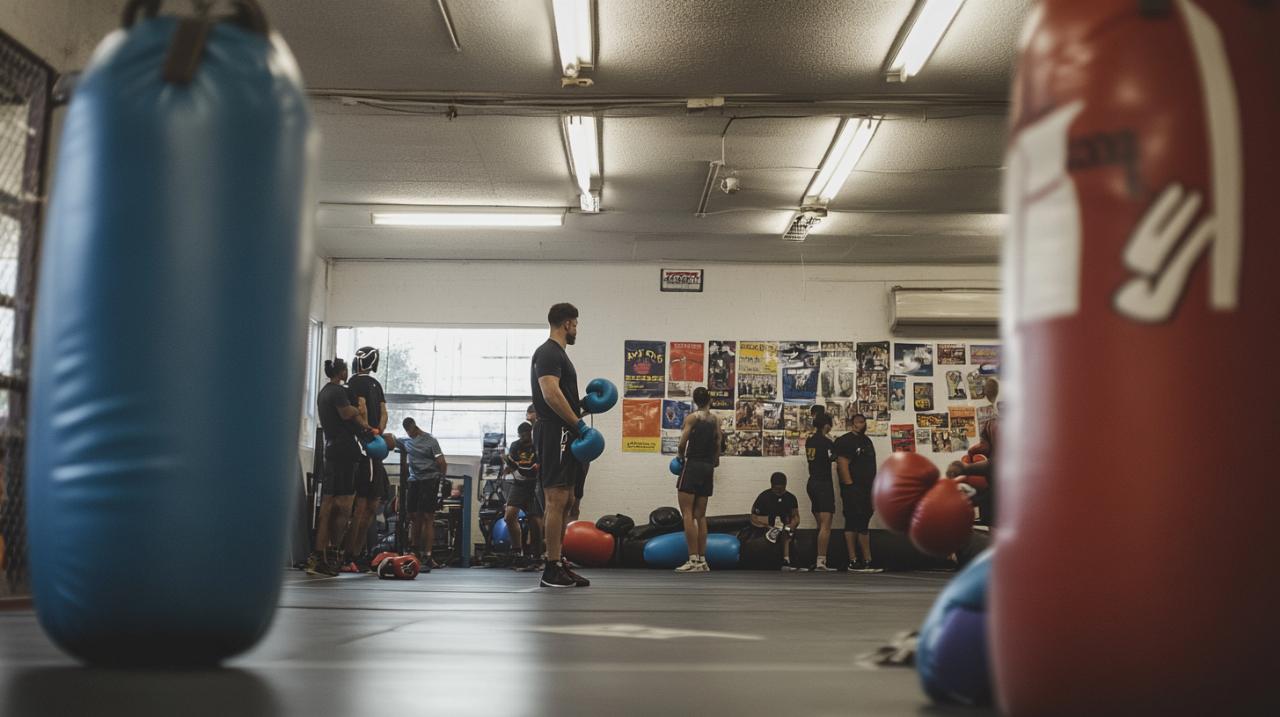
Boxing gyms also provide a supportive community of like-minded individuals who share your passion for the sport. Training alongside others fosters a sense of camaraderie and competition that can be highly motivating. Many gyms offer classes for beginners, which provide structured training sessions covering all aspects of boxing, from technique and fitness to sparring and strategy. These classes are an excellent way to learn the fundamentals in a safe, supervised environment whilst meeting fellow novices and experienced boxers alike. When choosing a gym, consider factors such as location, facilities, class schedules, and the qualifications of the coaching staff. Visiting several gyms, observing classes, and speaking with coaches and members can help you find the right fit for your needs.
In addition to coaching and community, many boxing gyms offer access to a wide range of training equipment, including focus mitts, kick shields, grappling dummies, and even boxing rings. This variety allows you to diversify your training and keep your sessions engaging and challenging. Some facilities also offer wholesale partnerships and support for those looking to pursue boxing more seriously, including competitive opportunities. Retailers such as Topgear Sports and BYKO Sports provide comprehensive product ranges and customer support, including fifteen-day returns, six-month warranties, and first-class delivery options, ensuring that you have access to quality equipment and reliable service throughout your boxing journey.
In conclusion, starting boxing requires a thoughtful approach to safety, technique, and training. By investing in quality protective gear, mastering fundamental punches and footwork, and engaging with the right training methods and support systems, you can build a strong foundation for a fulfilling and successful boxing journey. Remember, consistency, patience, and a commitment to learning are the keys to progress. Embrace the challenge, respect the sport, and enjoy the physical and mental transformation that boxing offers.